Frequently Asked Questions
What is swimming pool coping?
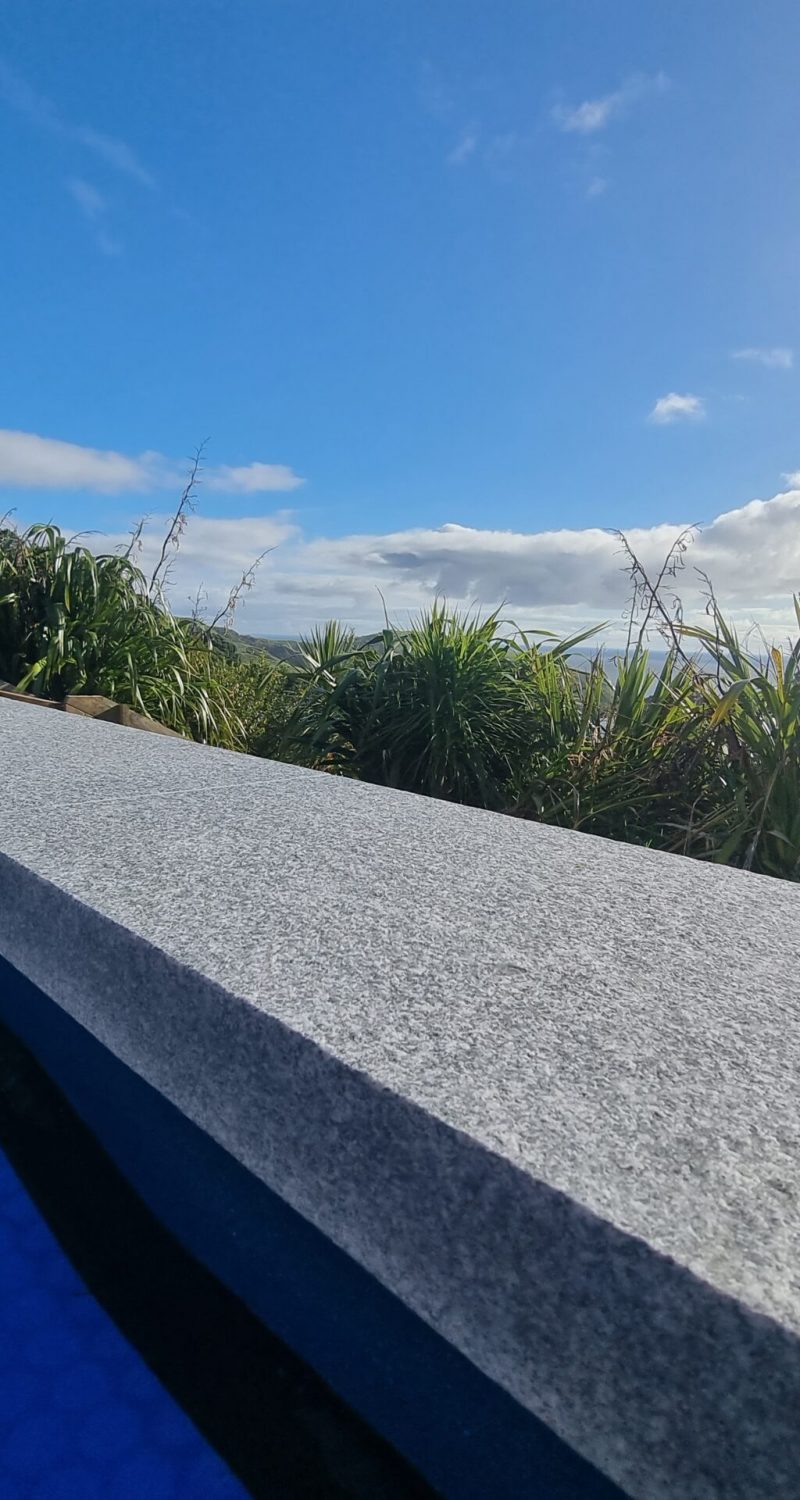
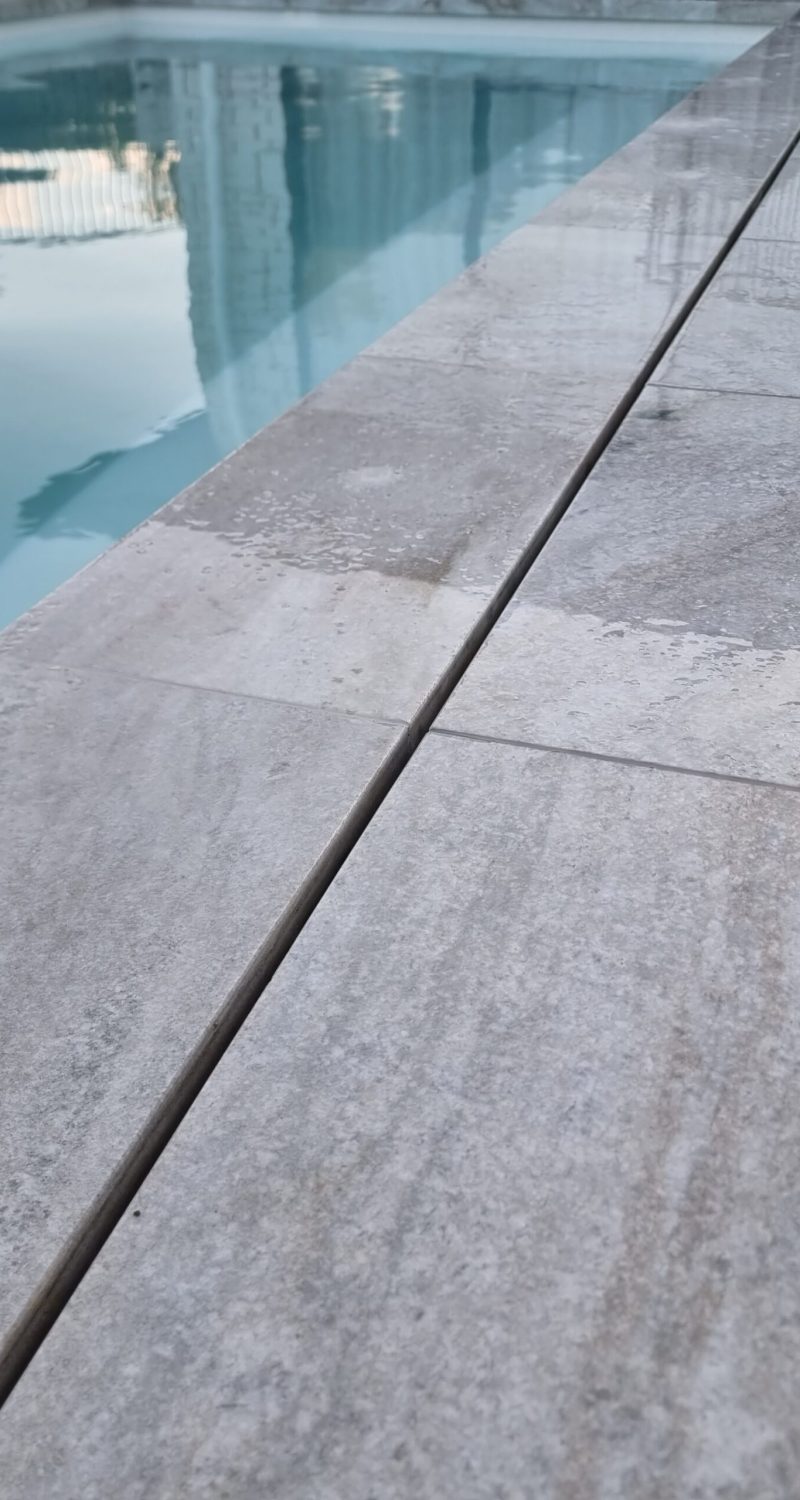
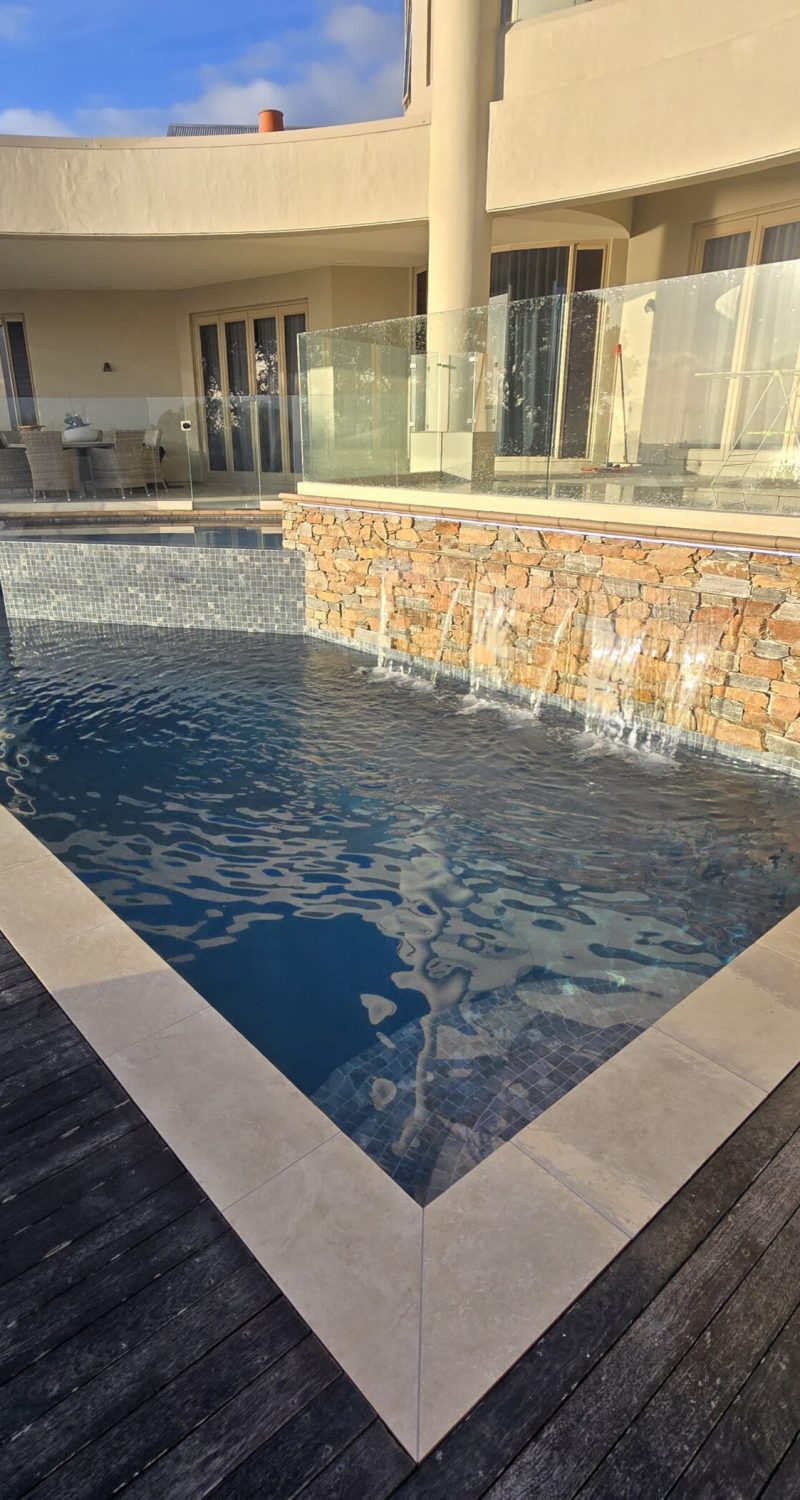
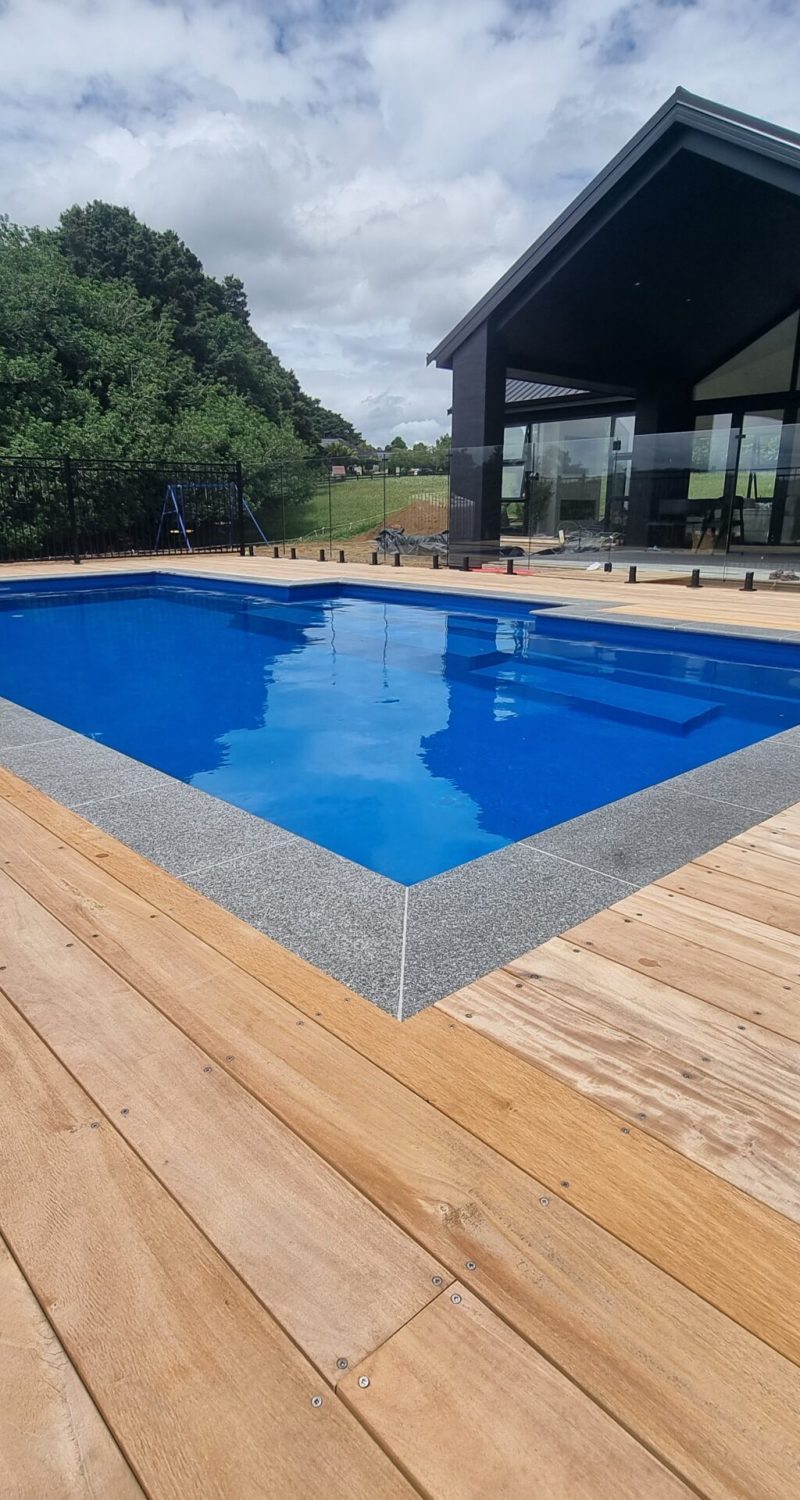
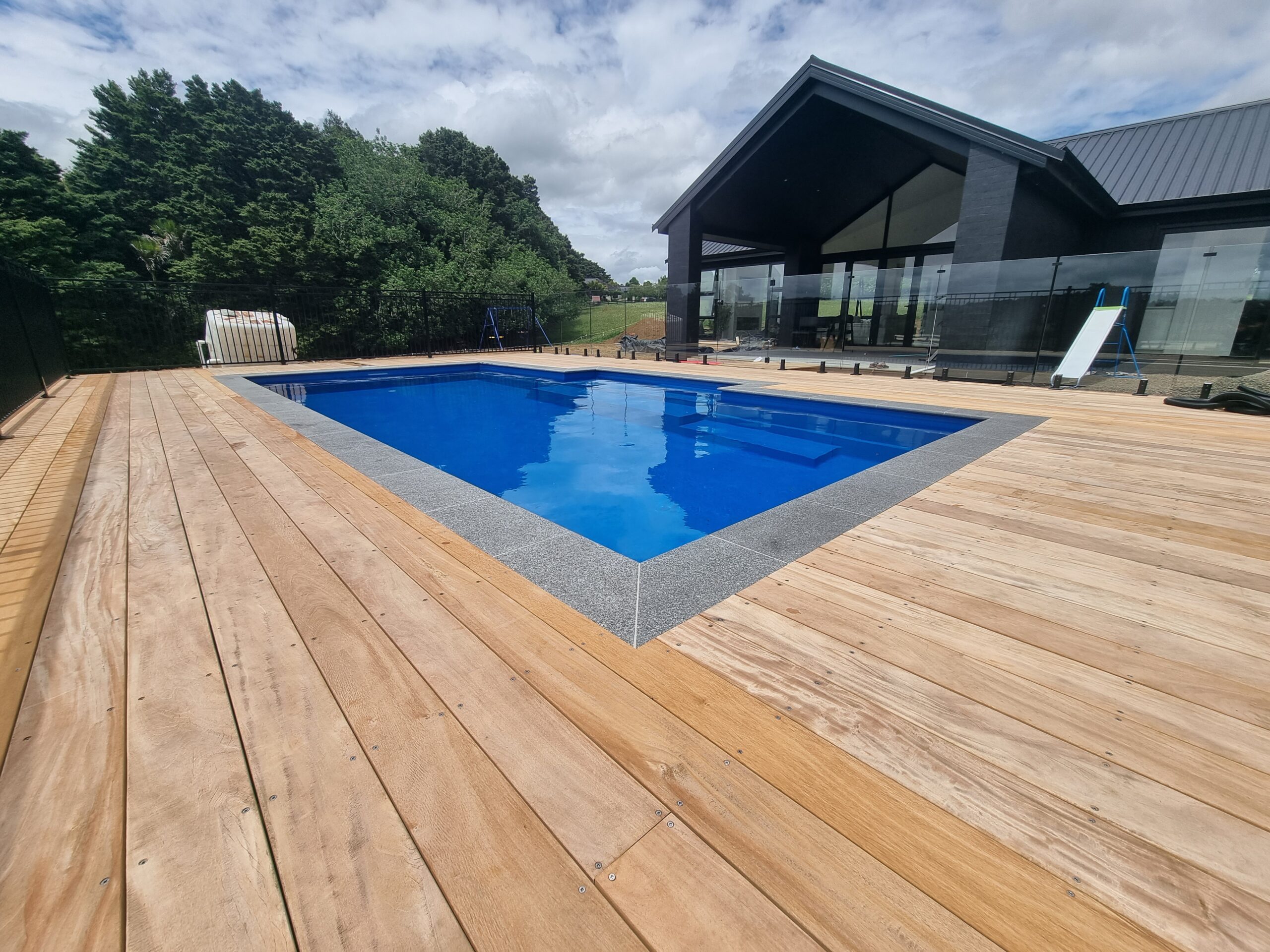
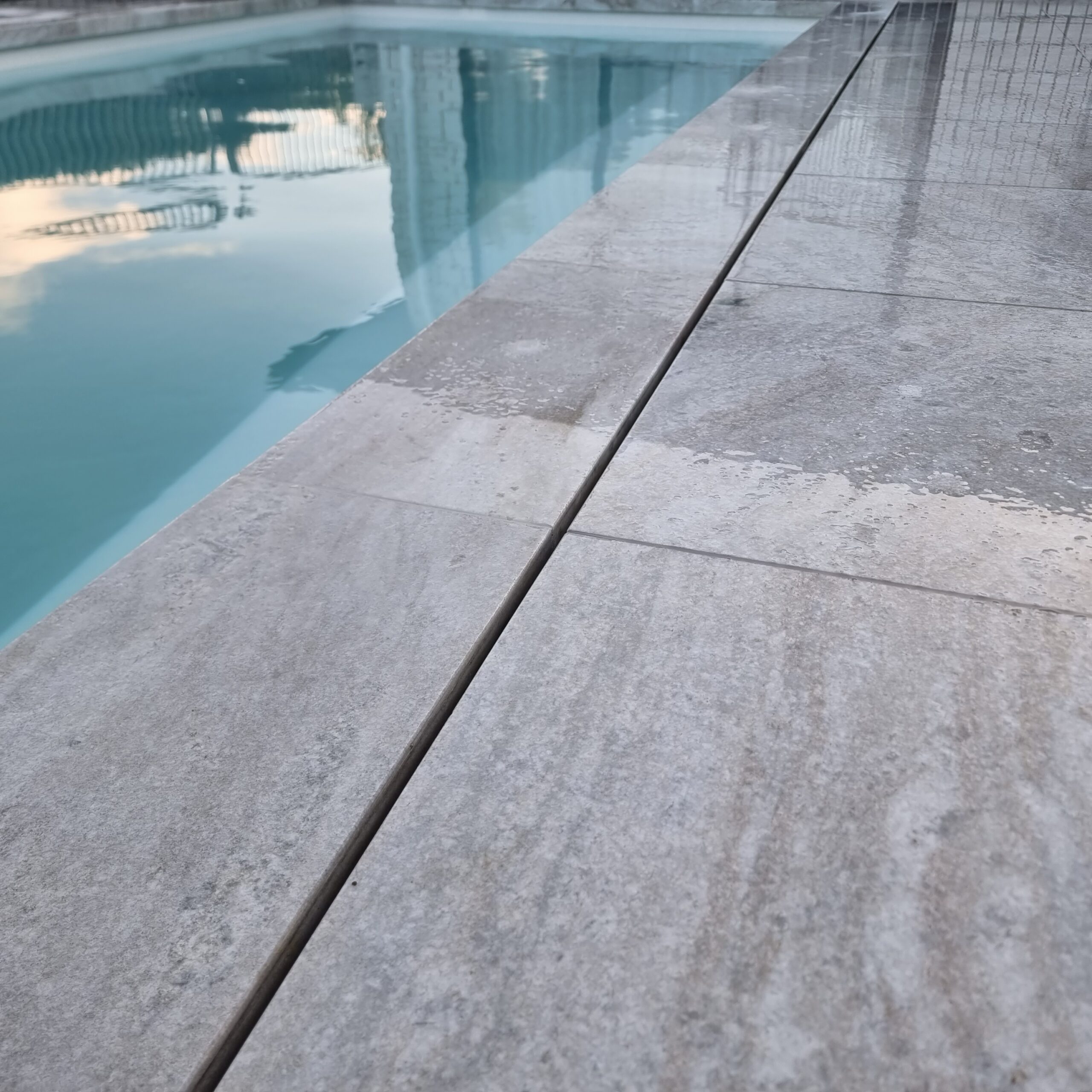
Swimming pool coping refers to the material that caps the edge of a swimming pool, serving both functional and aesthetic purposes. It provides a safe transition from the pool to the surrounding deck while enhancing the overall look of the pool area.
How much does pool coping cost?
The cost of pool coping varies based on materials, design, and installation complexity, typically ranging from £20 to £50 per linear foot. For an accurate quote, it's best to consult with us directly.
What is pool coping stone?
Pool coping stone refers to the material used to cap the edge of a swimming pool, providing a finished look while enhancing safety and functionality. It helps prevent water from spilling over the pool's edge and offers a non-slip surface for easy access.
What is pool coping?
Pool coping refers to the material that caps the edge of a swimming pool, providing a finished look while enhancing safety and functionality. It helps to prevent water from spilling over the sides and offers a smooth transition between the pool and surrounding areas.
What are pool copings?
Pool copings are the finishing edges that surround a swimming pool, designed to enhance safety and aesthetics. They provide a smooth transition from the pool to the surrounding deck while helping to prevent water from spilling over the sides.
How to install pool coping?
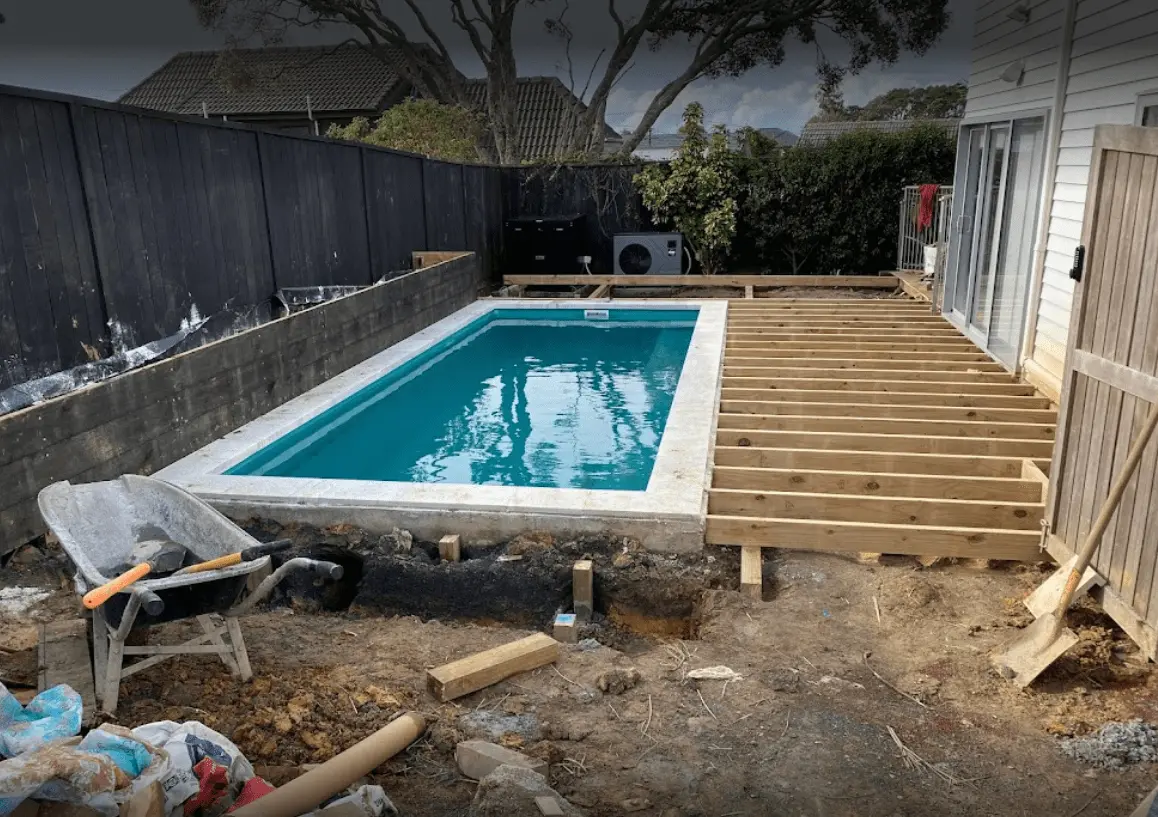
Installing pool coping involves preparing the pool edge, ensuring a level surface, applying a suitable adhesive, and carefully placing the coping stones. Finally, grout the joints for a secure finish and allow it to cure properly.
What is pool coping made of?
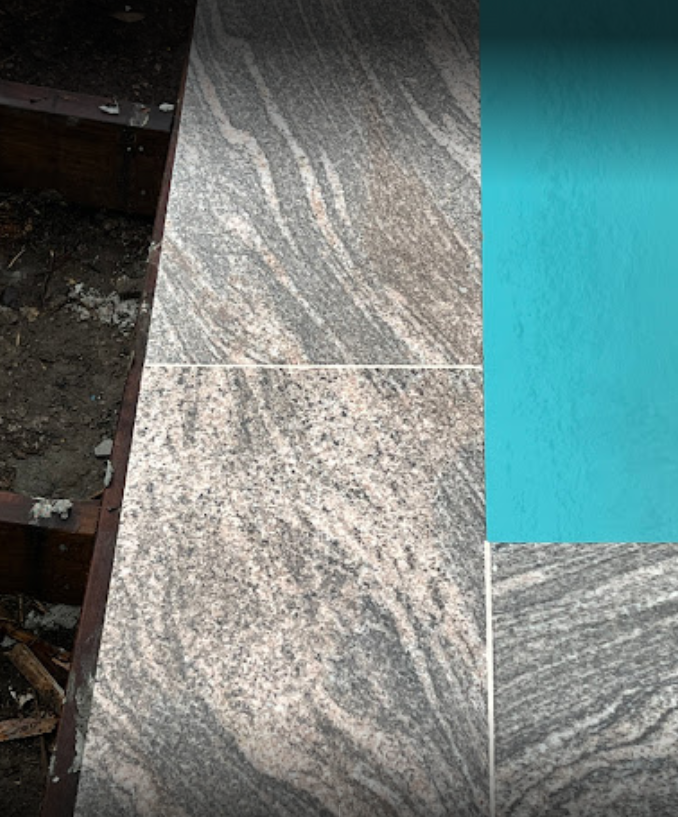
Pool coping is made of various materials, including natural stone, concrete, brick, and tile. Each option offers unique aesthetic and functional benefits to enhance your swimming pool's appearance and safety.
What types of pool coping are available?
The types of pool coping available include natural stone, concrete, brick, and pavers, each offering unique aesthetic and functional benefits to enhance your swimming pool's appearance and safety.
How do I choose pool coping materials?
Choosing pool coping materials involves considering factors such as durability, aesthetics, slip resistance, and compatibility with your pool's design. Evaluate options like natural stone, concrete, or tile to find the best fit for your needs.
What is the best pool coping for durability?
The best pool coping for durability is typically made from materials such as natural stone, concrete, or brick. These options withstand harsh weather conditions and heavy use, ensuring long-lasting performance and minimal maintenance.
Can I install pool coping myself?
Installing pool coping yourself is possible, but it requires specific skills and tools to ensure proper fitting and durability. We recommend consulting with professionals for the best results and to avoid potential issues.
What tools are needed for pool coping installation?
The tools needed for pool coping installation include a trowel, level, rubber mallet, tile cutter, and a measuring tape. These essential tools ensure precise placement and secure fitting of the coping around your swimming pool.
How long does pool coping installation take?
The duration of pool coping installation typically ranges from one to three days, depending on the size of the pool and the complexity of the project.
What maintenance is required for pool coping?
The maintenance required for pool coping includes regular cleaning to remove debris and algae, periodic inspections for cracks or damage, and resealing every few years to protect against weathering and ensure longevity.
Are there different styles of pool coping?
There are various styles of pool coping available. Options include bullnose, square edge, and cantilevered coping, each offering unique aesthetics and functionality to enhance your pool's design and safety.
How does pool coping affect pool safety?
Pool coping significantly enhances pool safety by providing a secure edge that reduces the risk of slips and falls. It also creates a barrier that helps prevent debris from entering the pool, ensuring a safer swimming environment.
What are the benefits of using stone coping?
The benefits of using stone coping include its durability, aesthetic appeal, and ability to enhance safety around swimming pools. Stone coping resists weathering, provides a non-slip surface, and adds a natural elegance that complements various pool designs.
How to match pool coping with tiles?
Matching pool coping with tiles involves selecting complementary colours and textures that enhance the overall aesthetic. Consider choosing coping that aligns with the tile's hue, pattern, and style to create a cohesive and visually appealing look around your pool.
What is the average lifespan of pool coping?
The average lifespan of pool coping typically ranges from 20 to 30 years, depending on the material used and maintenance practices. Proper care can significantly extend its durability and appearance.
How to clean and maintain pool coping?
Cleaning and maintaining pool coping involves regularly sweeping away debris, rinsing with water, and using a mild detergent for stubborn stains. Additionally, inspect for cracks or damage and address any issues promptly to ensure longevity and safety.
What colours are available for pool coping?
The colours available for pool coping include a variety of natural stone shades, such as grey, beige, and terracotta, as well as custom options to match your pool's design and aesthetic preferences.
How does pool coping enhance pool aesthetics?
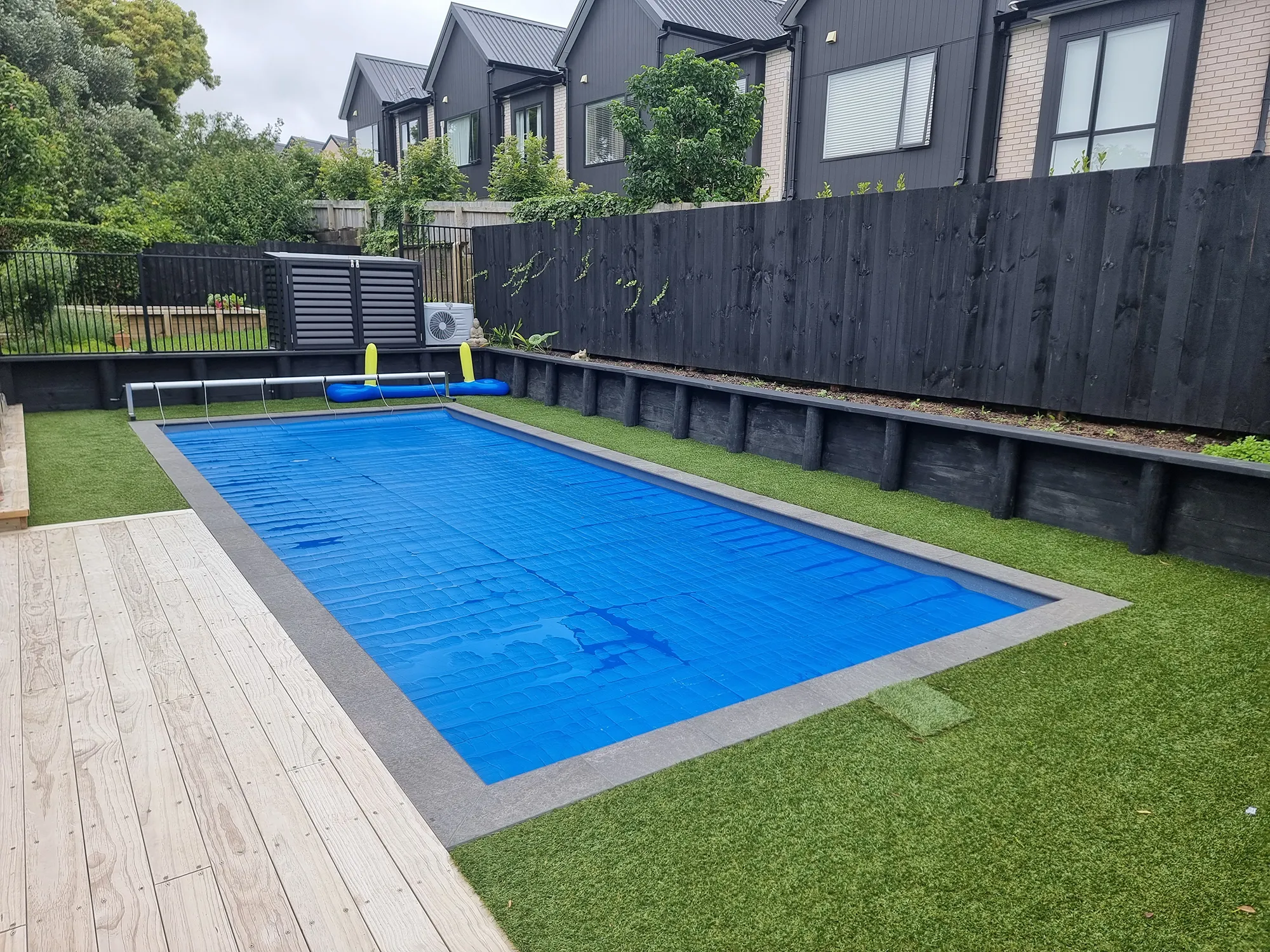
Pool coping enhances pool aesthetics by providing a visually appealing border that complements the pool's design. It adds texture, colour, and style, creating a seamless transition between the pool and surrounding landscape, ultimately elevating the overall look of the area.
What is the process for replacing pool coping?
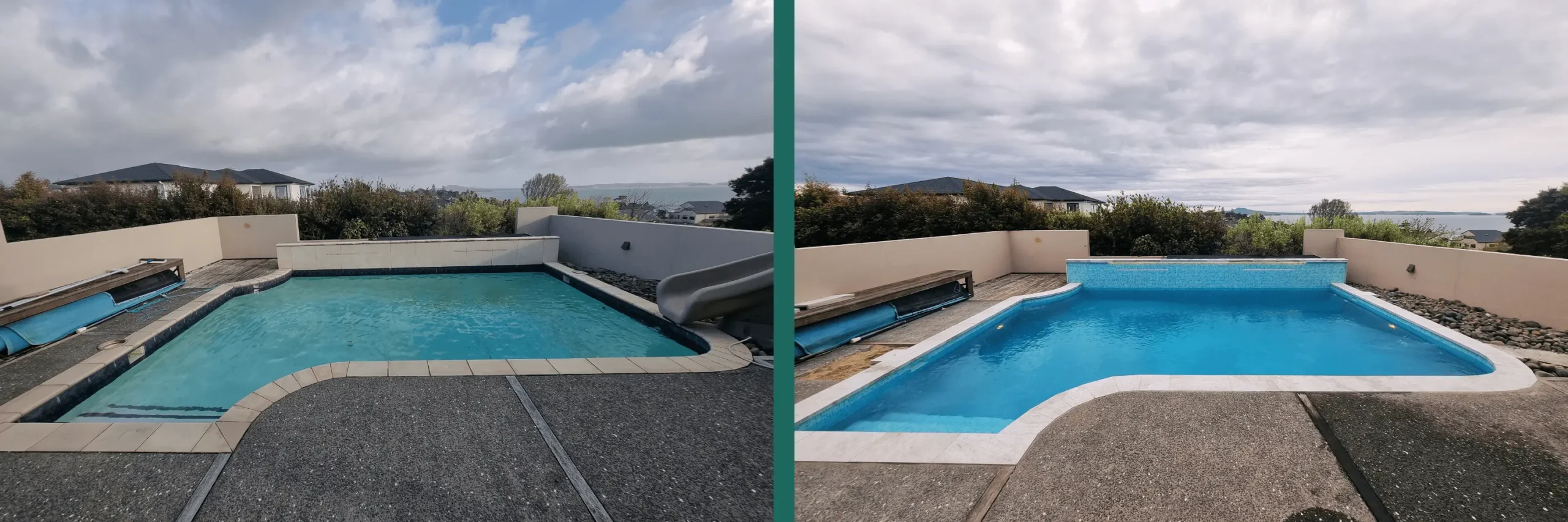
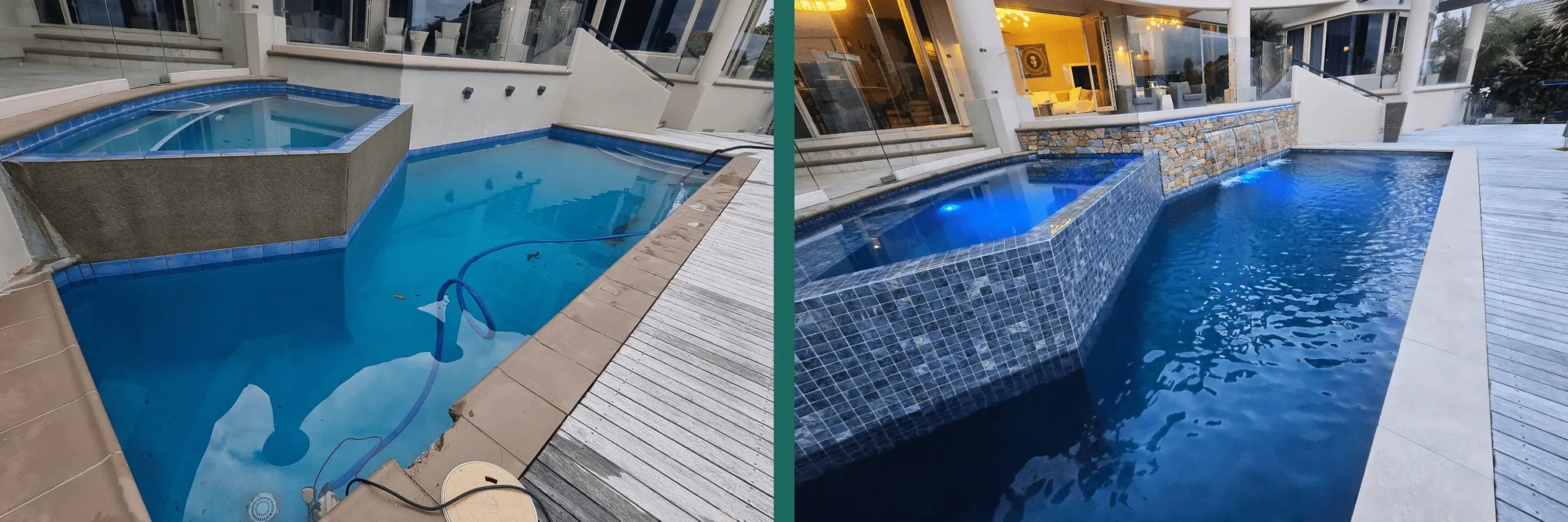
The process for replacing pool coping involves removing the old coping, preparing the surface, and then installing new coping stones or materials. This ensures a secure fit and enhances the pool's overall appearance and functionality.
How to ensure proper drainage with pool coping?
Ensuring proper drainage with pool coping involves installing the coping at a slight slope away from the pool. This allows water to flow away from the pool area, preventing pooling and promoting effective drainage.
What are common issues with pool coping?
Common issues with pool coping include cracking due to temperature fluctuations, improper installation leading to gaps, and water damage that can cause shifting or loosening. Regular maintenance can help mitigate these problems.
How to select coping for a concrete pool?
Selecting coping for a concrete pool involves considering factors such as material durability, slip resistance, and aesthetic appeal. Choose options that complement your pool design while ensuring safety and longevity.
What is the cost difference between materials?
The cost difference between materials for pool copings varies significantly based on factors like type, durability, and aesthetics. Generally, natural stone tends to be more expensive than concrete or brick options, but offers enhanced beauty and longevity.
How to repair damaged pool coping?
Repairing damaged pool coping involves assessing the extent of the damage, removing any loose or broken pieces, and replacing them with new coping stones or materials. Ensure proper sealing to prevent future issues.
What is the best way to seal pool coping?
The best way to seal pool coping is to use a high-quality, water-resistant sealant specifically designed for stone or tile. Apply it evenly, ensuring full coverage to protect against moisture and enhance durability.
How to integrate lighting with pool coping?
Integrating lighting with pool coping enhances safety and aesthetics. To achieve this, consider recessed LED lights within the coping, or install strip lighting along the edges to create a beautiful glow that highlights the pool's design.