Frequently Asked Questions
What kind of artisan builds with stone tile?
Artisans who specialise in stone tile work are typically skilled masons or tilers. They possess expertise in selecting, cutting, and installing various types of stone tiles, ensuring both aesthetic appeal and durability in their projects.
What types of stone tiles are available?
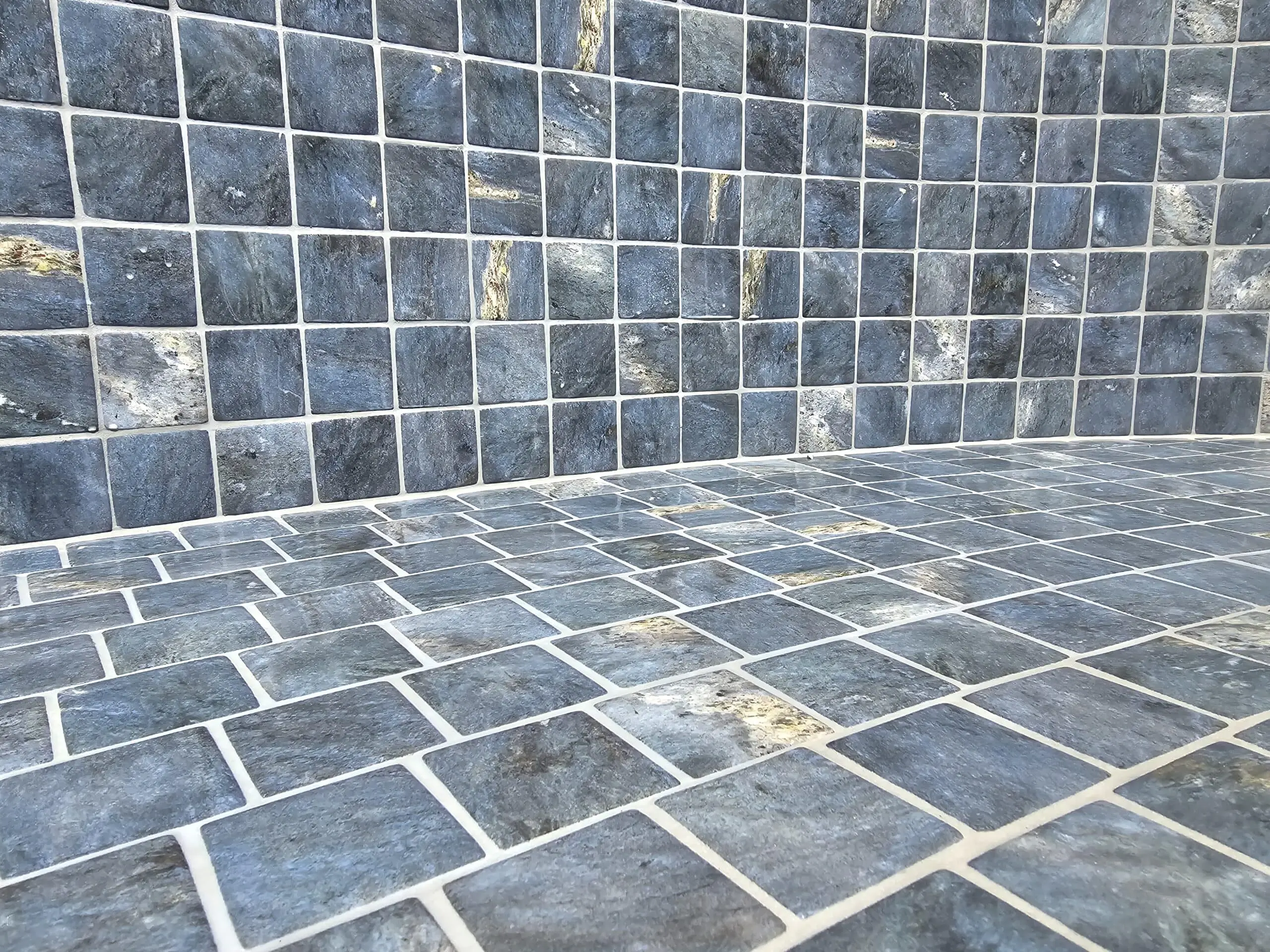
The types of stone tiles available include natural stone options such as granite, marble, slate, and travertine, each offering unique aesthetics and durability for your pool area.
How are stone tiles installed in pools?
The installation of stone tiles in pools involves preparing the surface, applying a suitable adhesive, and carefully placing the tiles in a pattern. Once set, grout is applied to fill the joints, ensuring a durable and aesthetically pleasing finish.
What maintenance is required for stone tiles?
The maintenance required for stone tiles includes regular sweeping and mopping with a pH-neutral cleaner, sealing every 1-3 years to protect against stains, and promptly addressing spills to maintain their appearance and longevity.
Can stone tiles be used for indoor pools?
Stone tiles can indeed be used for indoor pools. They offer a durable and aesthetically pleasing option, enhancing the overall look while providing excellent slip resistance and water resistance.
What are the benefits of using stone tiles?
The benefits of using stone tiles include their durability, natural aesthetic appeal, and resistance to moisture, making them an ideal choice for pool areas. Additionally, they provide excellent slip resistance and can enhance the overall value of your property.
How do I choose the right stone tile?
Choosing the right stone tile involves considering factors such as durability, slip resistance, colour, and texture that complement your pool area. Additionally, assess the tile's maintenance requirements and ensure it suits your aesthetic preferences and functional needs.
Are there different styles of stone tiles?
There are various styles of stone tiles available, including natural, polished, and textured finishes, each offering unique aesthetic and functional benefits to enhance your pool area.
What is the cost of stone tile installation?
The cost of stone tile installation varies based on factors such as tile type, pool size, and installation complexity. Typically, prices range from £30 to £100 per square metre, including materials and labour.
How long do stone tiles last in pools?
The longevity of stone tiles in pools is impressive, typically lasting 20 to 30 years with proper maintenance. Their durability and resistance to water make them an excellent choice for enhancing pool areas.
Can I replace pool tiles with stone tiles?
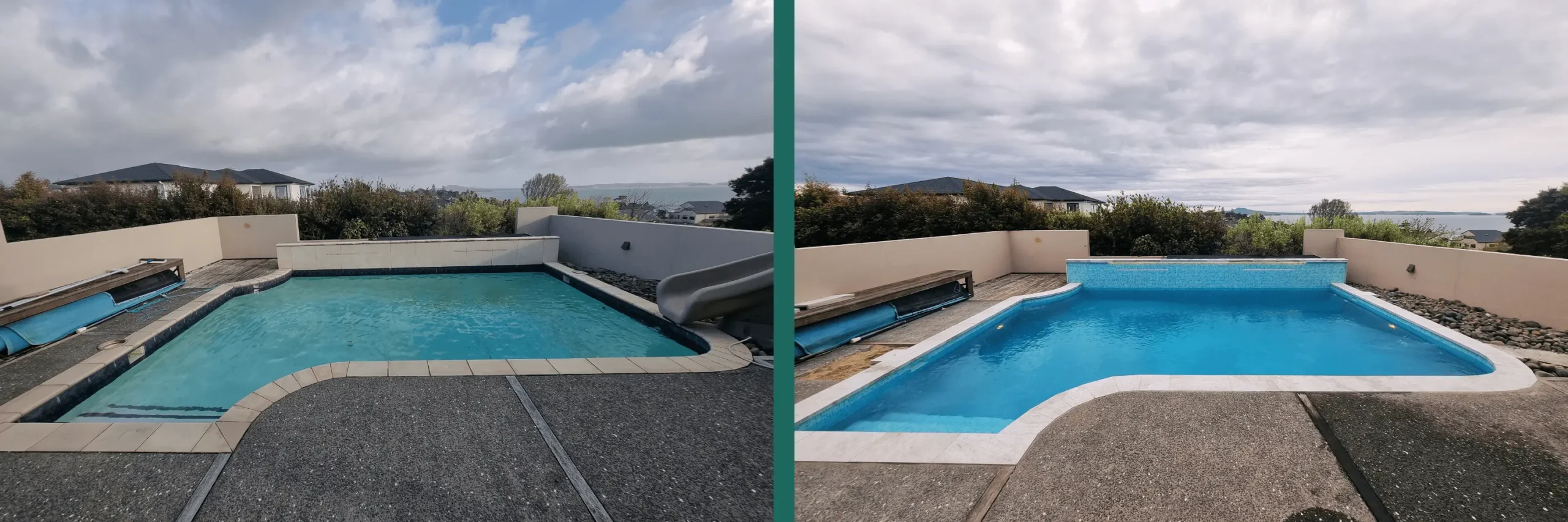
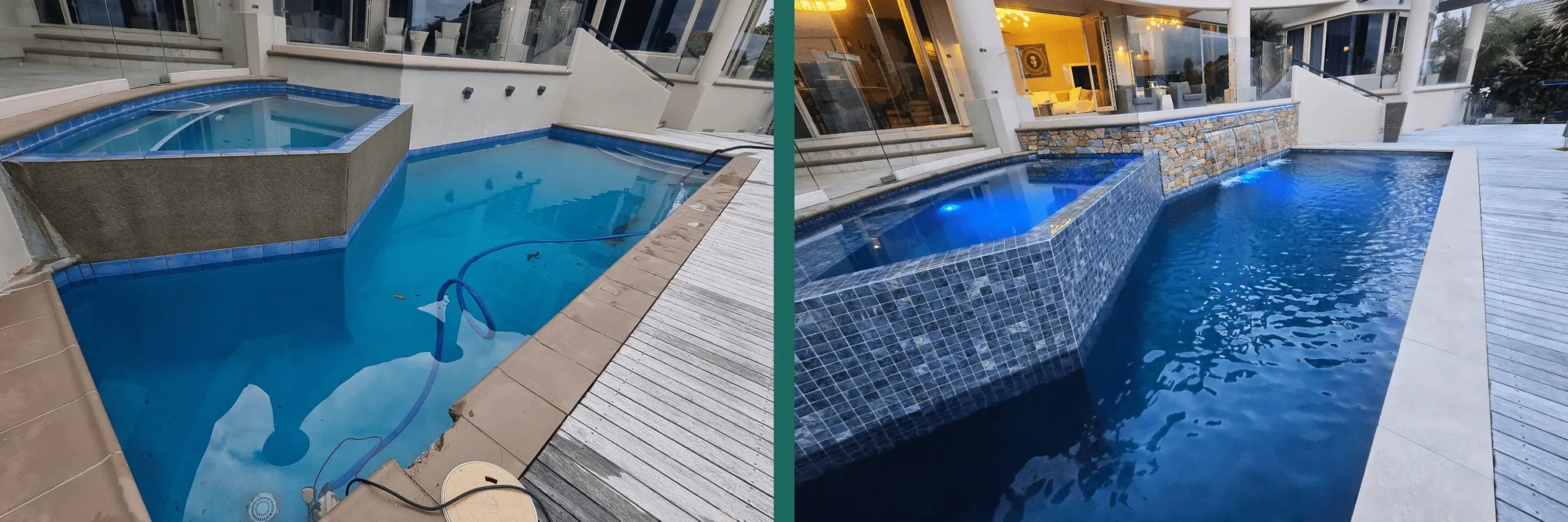
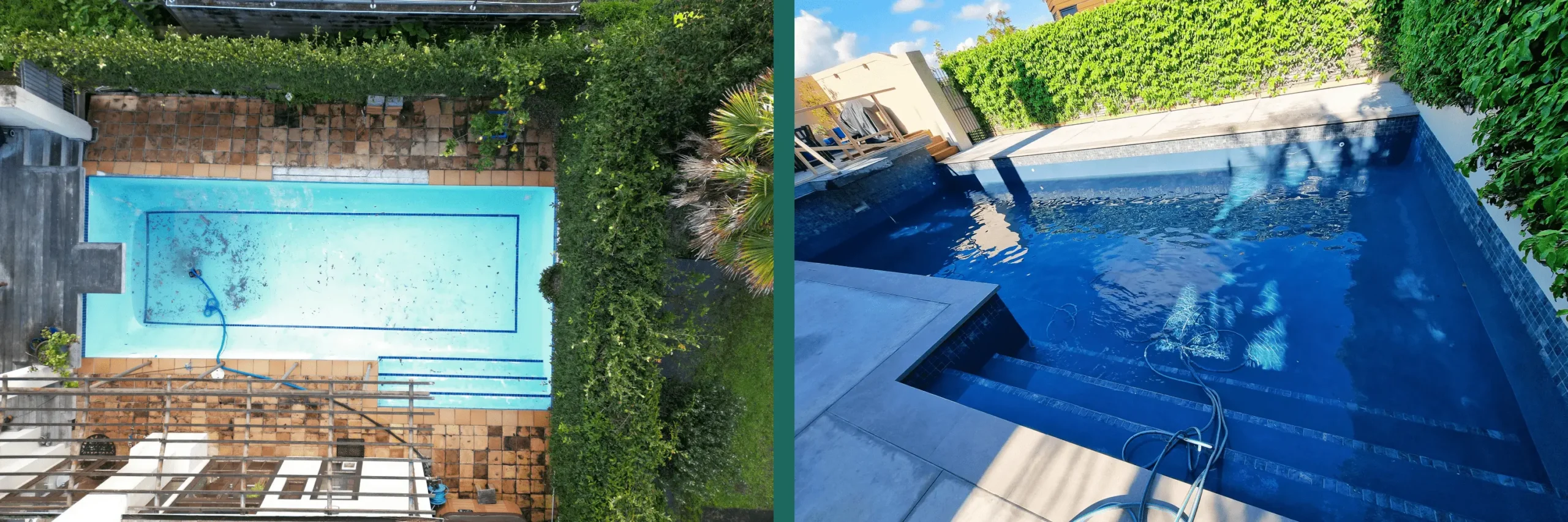
Replacing pool tiles with stone tiles is possible and can enhance the aesthetic appeal and durability of your pool area. However, it's essential to ensure proper installation techniques are followed for optimal performance.
What is the best adhesive for stone tiles?
The best adhesive for stone tiles is a high-quality, thin-set mortar specifically designed for natural stone. This type of adhesive provides strong bonding and supports the weight of the tiles, ensuring durability and longevity in pool tiling applications.
How do stone tiles enhance pool aesthetics?
Stone tiles enhance pool aesthetics by adding a natural, elegant look that complements the surrounding landscape. Their unique textures and colours create a luxurious atmosphere, elevating the overall visual appeal of the pool area.
Are stone tiles slippery when wet?
Stone tiles can be slippery when wet, but the level of slipperiness depends on the tile's finish and texture. Choosing textured or anti-slip stone tiles can significantly reduce the risk of slipping, ensuring safety around your pool area.
What colours are available for stone tiles?
The colours available for stone tiles include a wide range of natural hues such as earthy browns, soft greys, vibrant blues, and warm beiges, allowing you to choose the perfect shade to complement your pool area.
How do I clean stone tiles effectively?
Cleaning stone tiles effectively involves using a pH-neutral cleaner and a soft mop to avoid damage. Regular sweeping and damp mopping will help maintain their appearance and prevent dirt buildup.
Can stone tiles withstand freezing temperatures?
Stone tiles can withstand freezing temperatures, but their durability depends on the specific type and quality of the stone. Proper sealing and installation are essential to prevent water absorption and damage from freeze-thaw cycles.
What is the process for repairing stone tiles?
The process for repairing stone tiles involves assessing the damage, cleaning the area, applying an appropriate adhesive or filler, and ensuring proper alignment before allowing it to cure. Finally, any excess material is removed, and the surface is polished.
How do I prevent algae on stone tiles?
Preventing algae on stone tiles involves regular cleaning, maintaining proper water chemistry, and ensuring adequate sunlight exposure. Additionally, applying an algaecide specifically designed for pool surfaces can help inhibit growth and keep your tiles looking pristine.
Are there eco-friendly stone tile options?
Eco-friendly stone tile options are available and include tiles made from sustainable materials or those that utilise recycled content. These options not only enhance your pool area aesthetically but also contribute to environmental conservation.
What is the weight of stone tiles?
The weight of stone tiles varies depending on the type of stone, typically ranging from 10 to 20 kg per square metre. Factors such as thickness and density also influence the overall weight.
How do I seal stone tiles for pools?
Sealing stone tiles for pools involves applying a high-quality, water-resistant sealant specifically designed for wet areas. Ensure the tiles are clean and dry before evenly applying the sealant, allowing it to cure as per the manufacturer's instructions for optimal protection.
Can stone tiles be customised for my pool?
Stone tiles can be customised for your pool to suit your specific design preferences and functional needs. We offer a variety of styles, colours, and finishes to create the perfect look for your pool area.
What are the most popular stone tile designs?
The most popular stone tile designs include classic travertine, sleek slate, rustic limestone, and elegant marble. These options are favoured for their durability, aesthetic appeal, and ability to complement various pool styles.
How do I find a qualified installer?
Finding a qualified installer involves researching local professionals with expertise in pool tiling. Look for reviews, ask for recommendations, and verify their credentials to ensure they have the necessary experience and skills for your project.
What tools are needed for stone tile installation?
The tools needed for stone tile installation include a tile cutter, trowel, level, spacers, grout float, and a rubber mallet. These essential tools ensure precise cutting, even placement, and a professional finish for your stone tiles.
How do stone tiles compare to ceramic tiles?
Stone tiles offer greater durability and a natural aesthetic compared to ceramic tiles, which are often more affordable and versatile. While ceramic tiles are easier to install, stone tiles provide a unique, luxurious look that enhances pool areas.
What warranties are available for stone tiles?
The warranties available for stone tiles typically include manufacturer warranties that cover defects in materials and workmanship, often ranging from 10 to 25 years, depending on the tile type and brand.
How do I prepare the surface for stone tiles?
Preparing the surface for stone tiles involves ensuring it is clean, level, and dry. Remove any old materials, fill in cracks, and apply a suitable primer to enhance adhesion before laying the tiles.
Can I install stone tiles myself?
Installing stone tiles yourself is possible, but it requires experience and the right tools. For the best results and to ensure durability, we recommend hiring a professional installer.