Frequently Asked Questions
How to replace a drainage tile under driveway?
Replacing a drainage tile under a driveway involves excavating the area, removing the old tile, and installing a new one with proper sloping for effective water flow. Ensure to compact the soil before covering it again.
What tools are needed for tile replacement?
The tools needed for tile replacement include a tile cutter or wet saw, a notched trowel, a grout float, a level, and safety gear such as gloves and goggles. These tools ensure a precise and safe installation process.
How to assess drainage tile damage?
Assessing drainage tile damage involves inspecting for visible cracks, blockages, or misalignment. Additionally, check for water pooling or slow drainage, as these can indicate underlying issues requiring repair or replacement.
What are the steps to replace tiles?
The steps to replace tiles include removing the old tiles, cleaning the surface, applying adhesive, laying new tiles, and grouting the joints. Finally, allow the installation to cure properly for optimal durability and appearance.
How to choose the right drainage tile?
Choosing the right drainage tile involves assessing your specific drainage needs, considering factors such as soil type, climate, and the area’s water flow patterns. Opt for tiles that ensure effective water management while complementing your outdoor aesthetics.
What materials are best for driveway tiles?
The best materials for driveway tiles include durable options like porcelain, natural stone, and concrete pavers. These materials offer excellent resistance to weather, heavy loads, and provide a stylish finish to enhance your outdoor space.
How to ensure proper drainage after replacement?
Ensuring proper drainage after replacement involves grading the surface away from structures and installing drainage systems like trenches or French drains. This helps direct water flow effectively, preventing pooling and potential damage.
What are common issues with drainage tiles?
Common issues with drainage tiles include clogging from debris, improper installation leading to poor water flow, and damage from freezing temperatures. Regular maintenance is essential to ensure optimal performance and longevity of the drainage system.
How to maintain drainage tiles effectively?
Effective maintenance of drainage tiles involves regular inspections to clear debris, ensuring proper water flow, and checking for blockages. Additionally, periodic cleaning with a hose or pressure washer can help maintain their functionality and prevent clogs.
What is the cost of tile replacement?
The cost of tile replacement varies based on factors such as the type of tile, size of the area, and labour involved. On average, homeowners can expect to pay between £30 to £100 per square metre for materials and installation.
How long does tile replacement take?
The duration of tile replacement varies based on the project size and complexity. Typically, it can take anywhere from one to three days to complete, ensuring a high-quality finish for your space.
What are the signs of tile failure?
The signs of tile failure include visible cracks, loose or missing tiles, water damage, and uneven surfaces. These indicators suggest that the tiles may no longer be secure or functional, necessitating professional assessment and potential replacement.
How to prevent future drainage issues?
Preventing future drainage issues involves regular maintenance, such as clearing debris from gutters and downspouts, ensuring proper grading around your property, and installing drainage solutions like French drains or permeable paving to manage water flow effectively.
What type of tile is best for driveways?
The best type of tile for driveways is durable, slip-resistant porcelain or natural stone tiles. These materials provide excellent strength and weather resistance, ensuring a long-lasting and stylish surface for your driveway.
How to install drainage tiles correctly?
Installing drainage tiles correctly involves ensuring proper slope for water flow, laying the tiles in a trench filled with gravel, and connecting them to a drainage outlet. Regularly check for blockages to maintain efficiency.
What are the benefits of replacing tiles?
The benefits of replacing tiles include enhanced durability, improved aesthetics, and increased property value. New tiles can also provide better functionality and easier maintenance, making your space more inviting and enjoyable.
How to prepare the area for tile replacement?
Preparing the area for tile replacement involves clearing the space of furniture and debris, ensuring the subfloor is clean and level, and addressing any moisture issues. This foundation is crucial for a successful installation.
What safety precautions should be taken?
Safety precautions that should be taken include wearing appropriate personal protective equipment such as gloves and safety goggles, ensuring proper ventilation, and following manufacturer guidelines for materials used during the driveway revitalization process.
How to find a professional for tile work?
Finding a professional for tile work involves researching local contractors, checking reviews, and asking for recommendations. Ensure they have relevant experience, proper licensing, and a portfolio of previous projects to assess their quality of work.
What is the lifespan of drainage tiles?
The lifespan of drainage tiles is typically between 30 to 50 years, depending on the material quality and installation conditions. Proper maintenance can further extend their effectiveness and durability.
How to troubleshoot drainage problems?
Troubleshooting drainage problems involves identifying blockages, checking for proper slope, and ensuring downspouts direct water away from the foundation. Regular maintenance and cleaning can help prevent future issues and maintain effective drainage.
What are the best practices for installation?
The best practices for installation include ensuring a proper foundation, using high-quality materials, following manufacturer guidelines, and allowing adequate curing time. Additionally, it’s crucial to maintain consistent temperatures and humidity levels during the process for optimal results.
How to clean tiles after installation?
Cleaning tiles after installation involves removing any grout haze and dust. Use a damp cloth or mop with a pH-neutral cleaner, ensuring not to saturate the tiles. Rinse thoroughly and dry to maintain their shine and durability.
What is the impact of weather on tiles?
The impact of weather on tiles includes potential damage from extreme temperatures, moisture, and UV exposure. These factors can lead to cracking, fading, and deterioration, affecting both the appearance and durability of the tiles.
How to seal tiles for longevity?
Sealing tiles for longevity involves applying a high-quality sealant specifically designed for the type of tile used. Ensure the surface is clean and dry before applying the sealant evenly, allowing it to cure as per the manufacturer's instructions for optimal protection.
What are alternatives to drainage tiles?
Alternatives to drainage tiles include gravel trenches, permeable pavers, and French drains. These options effectively manage water runoff while promoting proper drainage and maintaining the aesthetic appeal of outdoor spaces.
How to identify the right tile size?
Identifying the right tile size involves considering the space's dimensions and intended use. Larger tiles can create a spacious feel in open areas, while smaller tiles are ideal for intricate designs or smaller spaces.
What is the process for tile inspection?
The process for tile inspection involves assessing the surface for any damage, ensuring proper installation, and checking for alignment and grout consistency. This ensures that the tiles meet quality standards and are ready for use.
How to enhance driveway aesthetics with tiles?
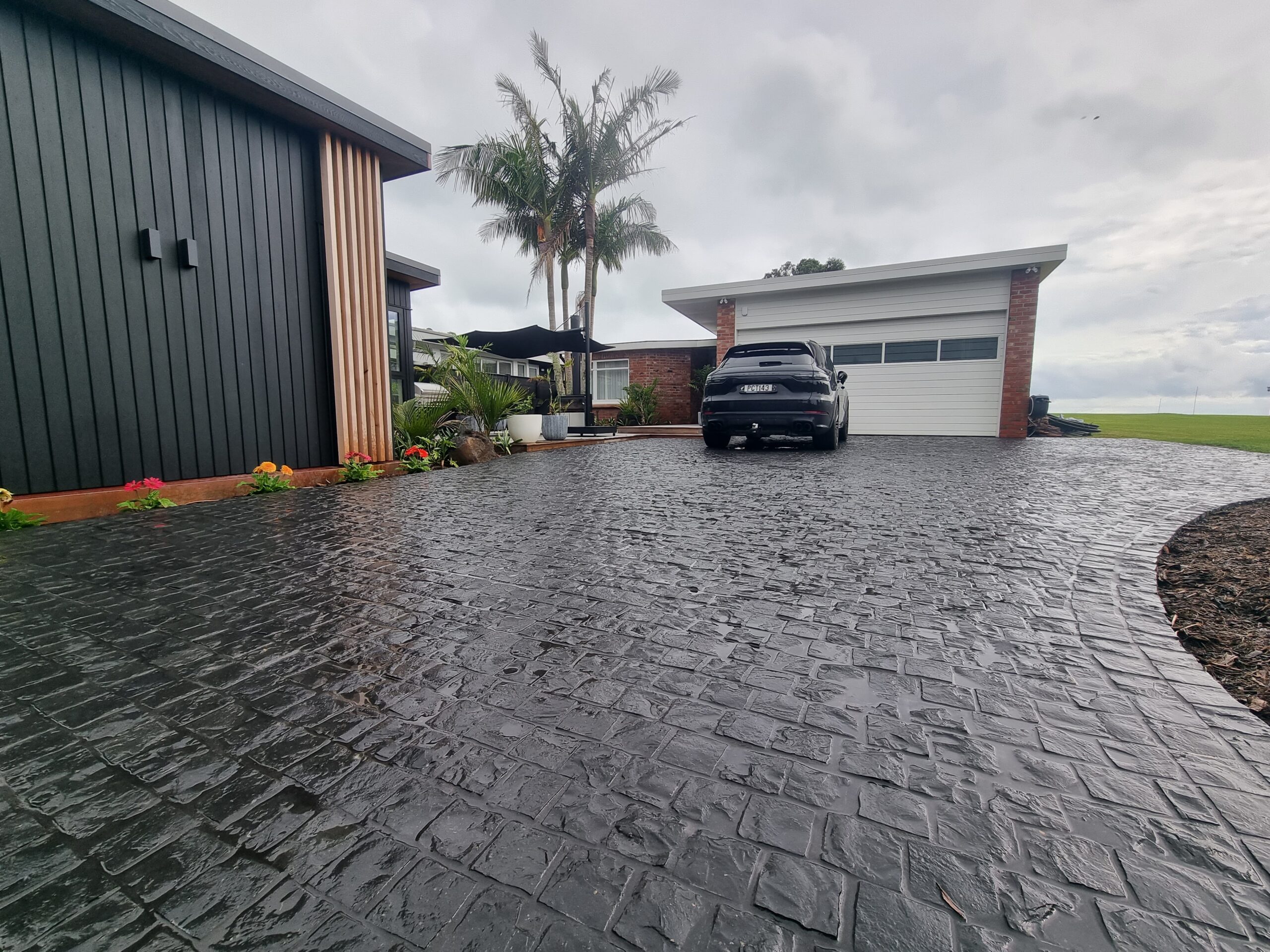
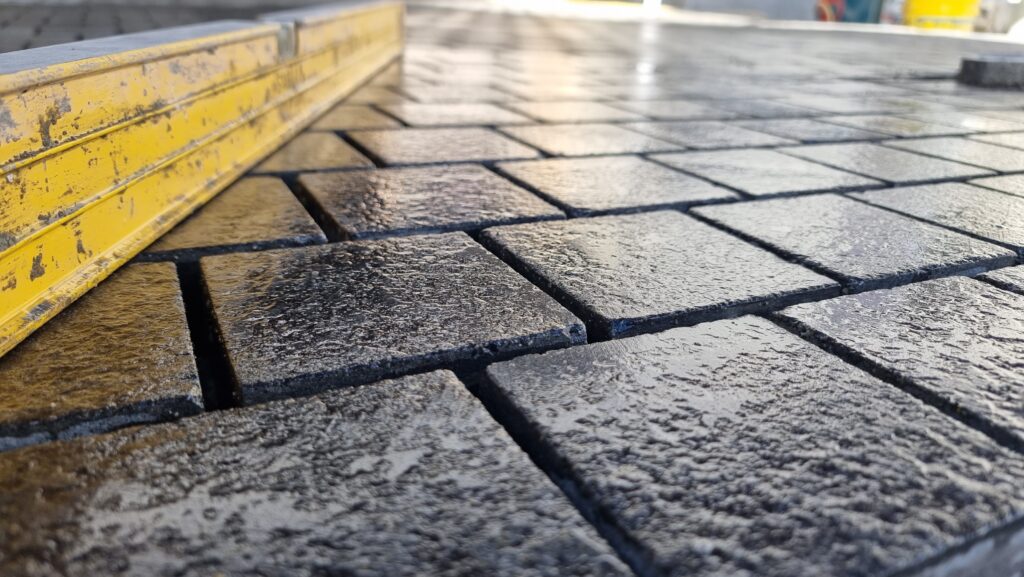
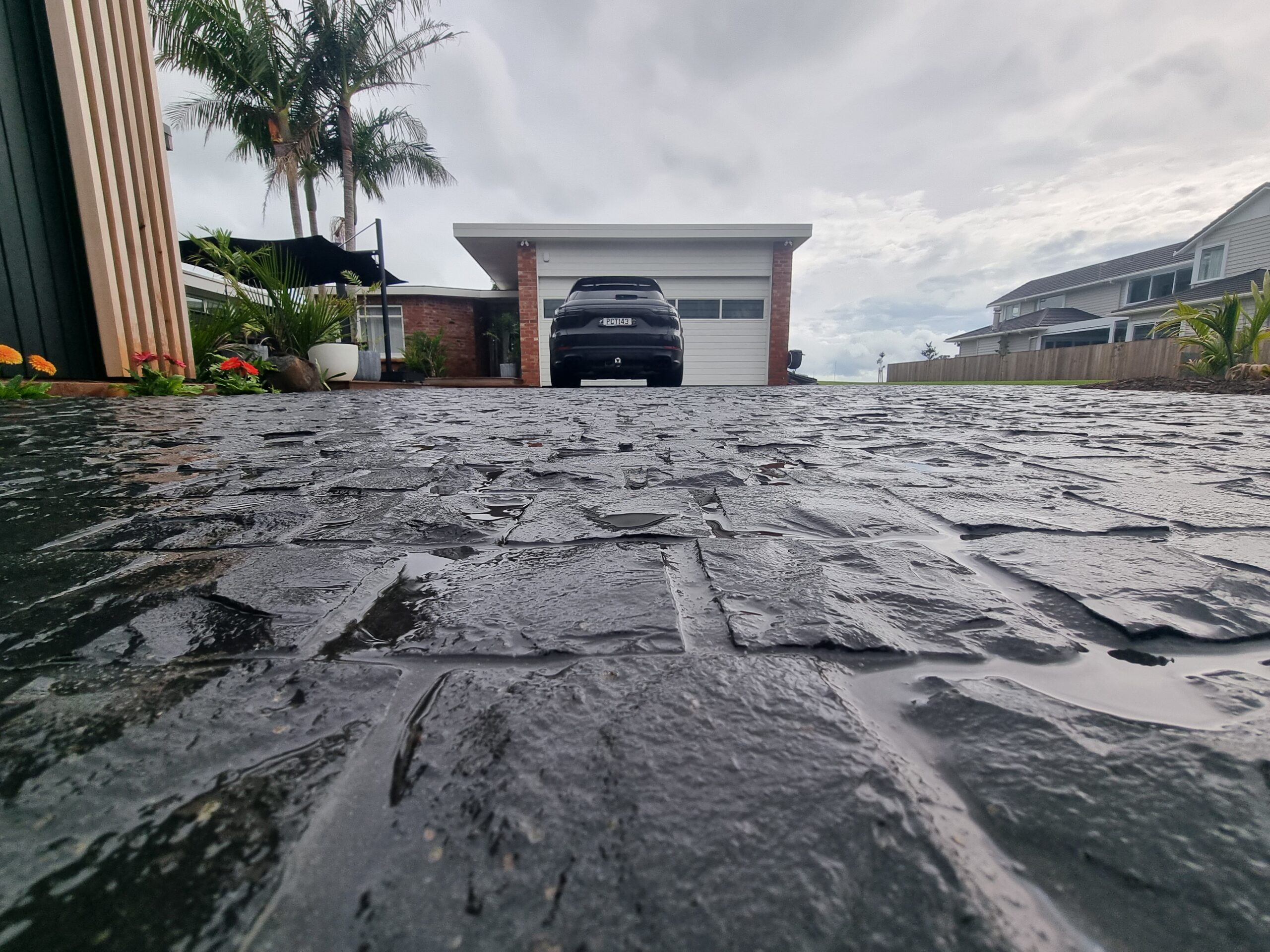
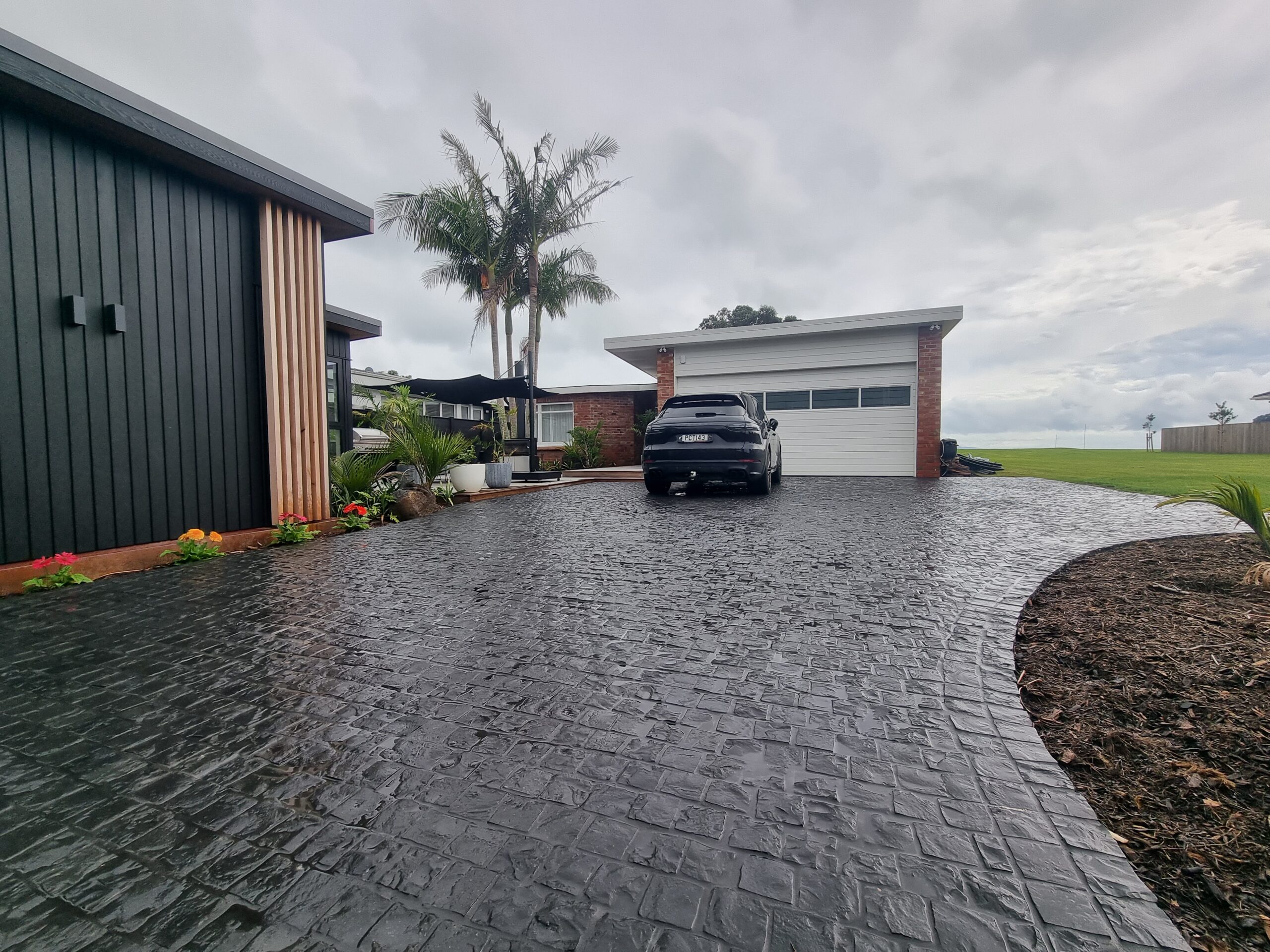
Enhancing driveway aesthetics with tiles involves selecting stylish, durable options that complement your home's exterior. Consider using patterned or textured tiles to create visual interest while ensuring proper installation for longevity and functionality.
What are the environmental impacts of tile use?
The environmental impacts of tile use include resource extraction, energy consumption during manufacturing, and potential waste generation. However, many tiles are durable and recyclable, which can mitigate these effects when responsibly sourced and disposed of.